
Many students searching for GMAT how to prepare feel confused about where to begin and how to plan their studies effectively. The GMAT is not just a knowledge-based exam; it tests logical reasoning, problem-solving skills, and time management.
Understanding GMAT how to prepare in a structured way helps students avoid common mistakes and prepare with clarity. With the right study plan, consistent practice, and focused strategy, achieving a competitive GMAT score becomes much more achievable.
Understand the GMAT Exam Structure
Before starting preparation, it is important to understand how the GMAT exam is structured. The GMAT is a computer-based and adaptive test, which means the difficulty level of questions changes based on your performance.
The exam consists of multiple sections that test quantitative, verbal, analytical, and data interpretation skills. Understanding the exam format helps students avoid surprises on exam day and prepare more confidently.
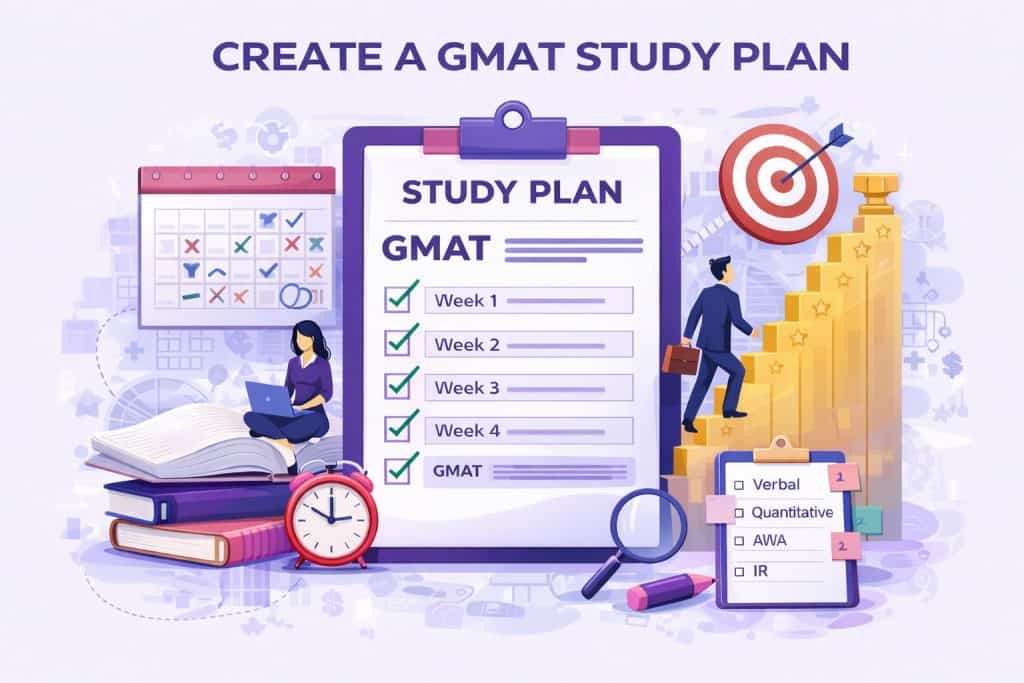
Create a GMAT Study Plan
A personalized study plan is the foundation of effective GMAT preparation. Instead of studying randomly, candidates should follow a structured timetable based on their strengths and weaknesses.
Key points while creating a GMAT study plan:
- Set a realistic preparation timeline (3–6 months)
- Allocate daily study hours consistently
- Balance time between Quantitative and Verbal sections
- Include weekly revision sessions
A clear study plan ensures consistency and helps students track progress throughout the preparation journey.
Focus on Concept Clarity First
One common mistake students make is jumping directly into practice questions without understanding concepts. For GMAT preparation, building strong fundamentals is essential.
Start by:
- Understanding basic math concepts for Quant
- Improving reading and reasoning skills for Verbal
- Learning question-solving approaches rather than memorizing answers
Strong conceptual clarity improves accuracy and boosts confidence during the exam.
Practice with Mock Tests Regularly
Mock tests play a crucial role in GMAT preparation. They help students understand exam pressure, time management, and question patterns.
Benefits of mock tests:
- Identify weak areas
- Improve speed and accuracy
- Build exam-day confidence
It is recommended to analyze every mock test thoroughly and work on mistakes instead of focusing only on scores.
Improve Weak Areas Strategically
After analyzing mock test performance, students should focus more on weaker sections. Ignoring weak areas can significantly affect the final GMAT score.
Strategic improvement includes:
- Revising weak concepts
- Practicing similar question types
- Seeking expert guidance when required
Targeted improvement leads to steady score growth over time.
Why Structured GMAT Preparation Helps
Structured GMAT preparation provides direction, discipline, and expert support. Many students struggle with self-preparation due to lack of guidance and consistency.
With structured preparation:
- Study becomes more organized
- Time is used efficiently
- Common mistakes are avoided
- Progress becomes measurable
Final Preparation Tips for GMAT
- Avoid last-minute cramming
- Maintain consistency instead of studying long hours
- Focus on accuracy before speed
- Stay calm and confident on exam day
A well-planned preparation strategy combined with regular practice can help students achieve a competitive GMAT score.
Conclusion
Understanding GMAT how to prepare is the first step toward success in the exam. With a structured study plan, conceptual clarity, regular mock tests, and focused improvement, GMAT preparation becomes effective and achievable.
Whether you are a beginner or retaking the exam, the right preparation approach can significantly improve your performance and overall score.
FAQs – GMAT How to Prepare
1. How should a beginner start GMAT preparation?
Beginners should start by understanding the GMAT exam structure, creating a study plan, and focusing on concept clarity before attempting mock tests.
2. How long does it take to prepare for GMAT?
Most students require 3 to 6 months of consistent preparation, depending on their current skill level and target score.
3. Is self-study enough for GMAT preparation?
Self-study can work for disciplined students, but structured guidance often helps in better planning, strategy, and score improvement.